 English
 Chinese
 French
 German
 Russian
 Italy
Italy Spain
Spain Portugal
 Japanese
 Korean
 Arabic
 Traditional
Application
Application scenarios

Application scenarios
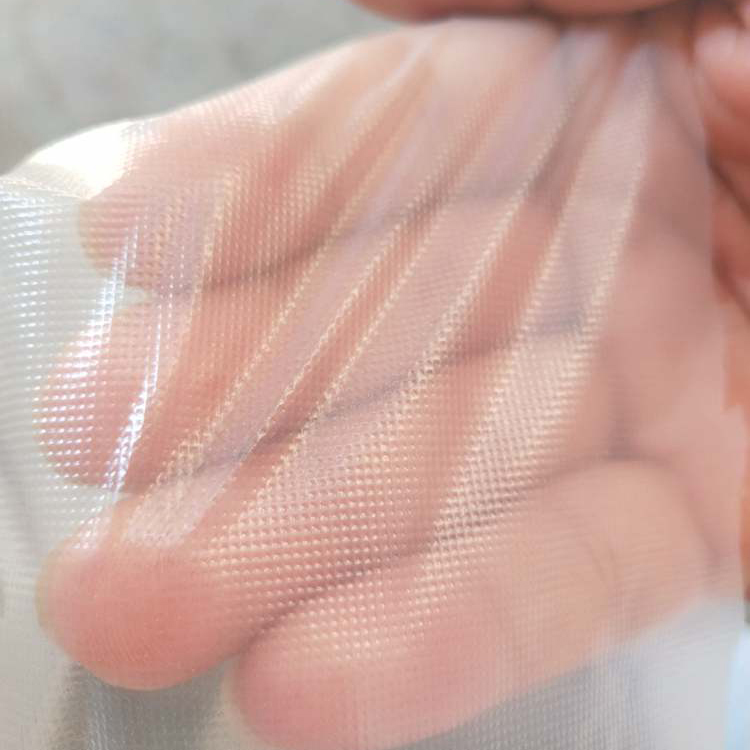
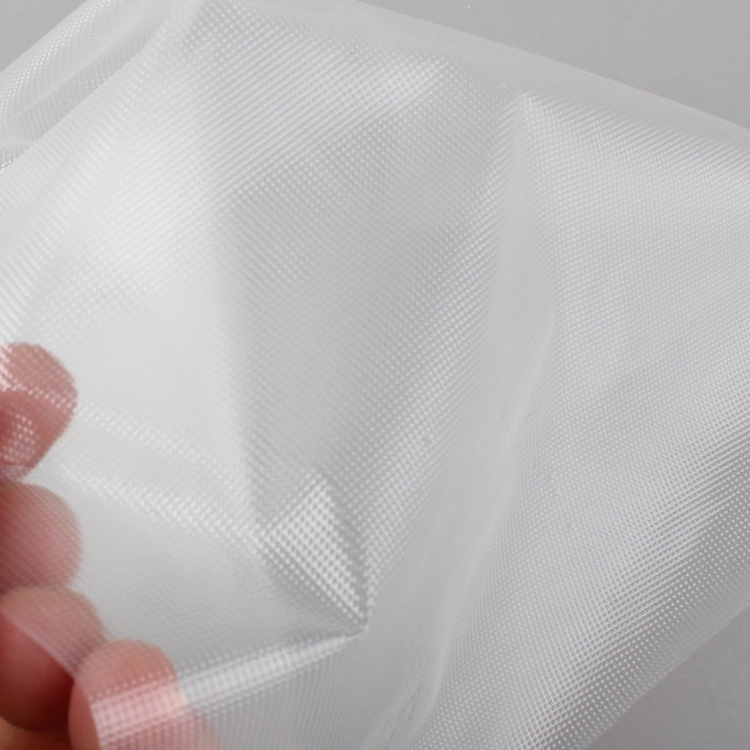
The softness and hardness (i.e. flexibility and rigidity) of PVA water-soluble film are crucial characteristics in its application, which directly affect the processability, user experience, and applicable scenarios of the film.
This characteristic is not fixed and unchanging, but can be adjusted on a large scale through raw materials and processes.
Below, we will provide a detailed explanation from three aspects: influencing factors, how to measure, and how to choose.
The main influencing factors, the softness and hardness of PVA water-soluble film mainly depend on the following core factors, which together determine the final mechanical properties of the film:
Degree of polymerization (DP): The higher the degree of polymerization, the harder and tougher the film, the longer the molecular chains, the stronger the intermolecular forces, and the higher the crystallinity;
Degree of alcoholysis: The higher the degree of alcoholysis, the harder and more brittle the membrane, with more hydroxyl groups (- OH), stronger intermolecular hydrogen bonding, more regular molecular chains, complete alcoholysis (98-99%)>partial alcoholysis (88 ± 2%)>low alcoholysis degree.
Plasticizer: increases softness and ductility, inserts between polymer chains, weakens intermolecular forces, and increases segment mobility.
Glycerol, polyols, caprolactam, etc.
Film thickness: As the thickness increases, the hardness also increases, and thick films require greater force to bend or stretch.
Generally, a film thickness of 0.05-0.1mm will be relatively hard.
Environmental humidity: As humidity increases, PVA becomes softer and more hydrophilic, absorbing moisture from the air, which acts as a plasticizer.
The moisture content can reach 4.5% at 65% RH/25 ℃.
Simply put, if you want to obtain a softer and more stretchable film, you tend to choose PVA resin with low polymerization degree and low alcoholysis degree, and add an appropriate amount of plasticizer.
On the contrary, if you want to obtain high-strength and high rigidity films, you tend to choose PVA with high polymerization degree and high alcoholysis degree, and reduce the amount of plasticizers used.
Mechanical Properties and Measurement
In materials science, "softness and hardness" are usually objectively measured through a series of mechanical performance indicators.
The most important indicators for PVA water-soluble films are tensile strength and elongation at break.
1. Tensile Strength
Meaning: The maximum stress that a material can withstand during the stretching process.
The higher the value, the stronger the tensile strength of the film, and it usually feels more "stiff".
Typical value: PVA film has excellent tensile strength, usually between 44.1-63.7MPa, which is superior to many common plastic films.
2. Elongation at Break
Meaning: The percentage of elongation of a material when it is pulled apart compared to its original length.
The higher the value, the better the extensibility of the membrane, the more flexible it is, and it feels more "soft".
Typical value: The fracture elongation of PVA film is very high, reaching 150% -400%.
For fields such as food packaging, the elongation at break is usually required to be greater than 300%.
These data need to be measured using a professional thin film tensile tester.
During testing, the membrane undergoes three stages: elastic deformation, yielding, and fracture.
+ 86 - 755 - 8884 0106
f029@fujinfang.com
4B, Building A2, Xiufeng Industrial City, Gankeng Community, Jihua Street, Longgang District, Shenzhen City, Guangdong Province, China