 English
 Chinese
 French
 German
 Russian
 Italy
Italy Spain
Spain Portugal
 Japanese
 Korean
 Arabic
 Traditional
Application
Application scenarios

Application scenarios
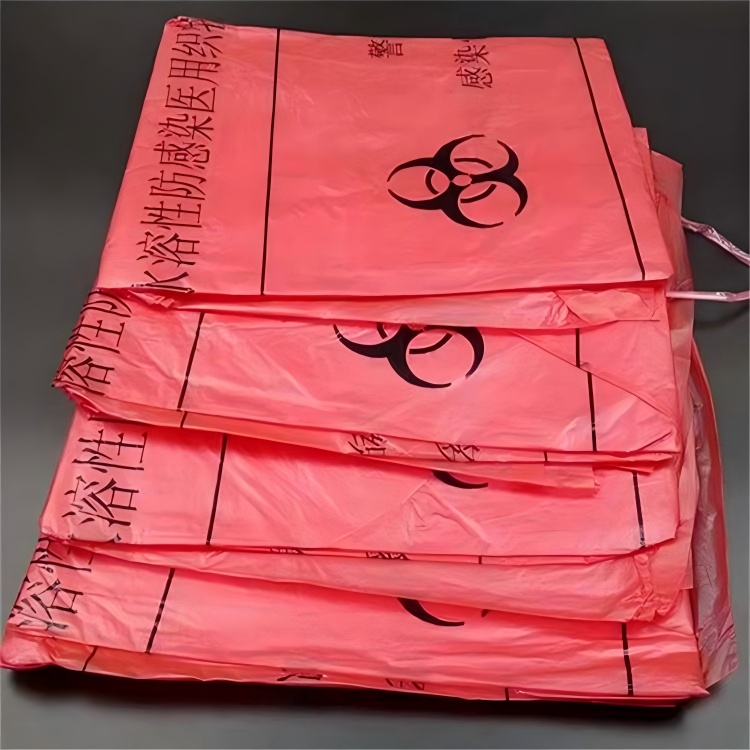
A water-soluble anti infection medical fabric disposal bag is a bag specifically designed for collecting and processing medical fabrics used in hospitals, such as surgical gowns, bed sheets, masks, etc. The main feature of this bag is that it is made of water-soluble materials that can completely dissolve under specific conditions, making it convenient for medical institutions to clean and disinfect while reducing the risk of cross infection.
The structure of this type of bag usually includes two layers, inner and outer, with a barrier layer in the middle, which can effectively prevent liquid penetration and ensure the dryness and hygiene of the internal fabric. Some water-soluble anti infection medical fabric disposal bags also have antibacterial or antiviral functions, further improving their protective effect.
In practical applications, medical institutions will put used medical fabrics into these bags and then send them to specialized cleaning and disinfection facilities for processing. As the bag is water-soluble, it can be directly dissolved during the cleaning process without leaving any residue, which not only improves work efficiency but also reduces environmental pollution.
Overall, the design and use of water-soluble anti infection medical fabric disposal bags meet the requirements of modern healthcare, aiming to improve the cleaning efficiency of medical fabrics, reduce the risk of cross infection, and also consider environmental protection issues.
In order to make water-soluble anti infection medical fabric disposal bags more durable, the following design elements can be considered:
1. Strengthening materials: Choose stronger water-soluble materials or add a reinforcement coating on the surface of the material to enhance the wear resistance and tear resistance of the bag.
2. Multi layer structure: Adopting a multi-layer design, each layer has different functions, such as the inner layer for protecting the fabric and the outer layer for resisting physical impact and wear.
3. Intelligent temperature control: Equipped with a temperature sensor, it automatically releases warning information when the temperature inside the bag reaches a certain threshold, reminding staff to pay attention and avoid premature dissolution of the bag due to high temperature.
4. Self healing technology: By adding self-healing agents to water-soluble materials, the bag can self repair and extend its service life in the event of minor damage.
5. UV protection: Due to the accelerated degradation of certain plastic materials by UV radiation, UV absorbers or reflectors can be added to the materials to reduce the damage of UV radiation to the bags.
6. Environmentally friendly materials: Choose recyclable or biodegradable materials to reduce the impact on the environment.
The introduction of these design elements will help improve the durability of water-soluble anti infection medical fabric disposal bags, thereby meeting the requirements of the medical industry for efficiency, safety, and environmental protection.
Manufacturing process of water-soluble anti infection medical fabric disposal bag
The production process of water-soluble anti infection medical fabric disposal bags mainly includes the following steps:
Material selection: Firstly, it is necessary to choose suitable water-soluble materials, such as PVA (polyvinyl alcohol) or other polymers, polysaccharides, etc. These materials need to be able to self split and dissolve at specific temperatures.
Bag production: According to design requirements, the selected water-soluble material is cut into the required size and shape, and the material edges may need to be sealed using heat sealing technology to form the basic shape of the bag.
Strengthening structure: In order to improve the durability of the bag, one or more layers of non water soluble materials such as PET (polyethylene terephthalate) may be added to the outside of the bag body to enhance the strength and wear resistance of the overall structure.
Printing and Marking: Printing necessary text, patterns, and warning signs on the bag body, such as biological hazard warning signs, to identify and distinguish bags for different purposes.
Quality inspection: After completing the above steps, a series of quality inspections need to be conducted on the bag to ensure that it meets medical standards and hygiene requirements.
Packaging and Storage: Finally, the finished bags will be appropriately packaged for easy storage and transportation.
The entire production process needs to consider multiple factors such as durability, safety, environmental friendliness, and cost-effectiveness of the bag to ensure the quality and practicality of the final product.
Key points for purchasing water-soluble film for p...
Characteristics of water-soluble packaging bags
Specification indicators for water-soluble packagi...
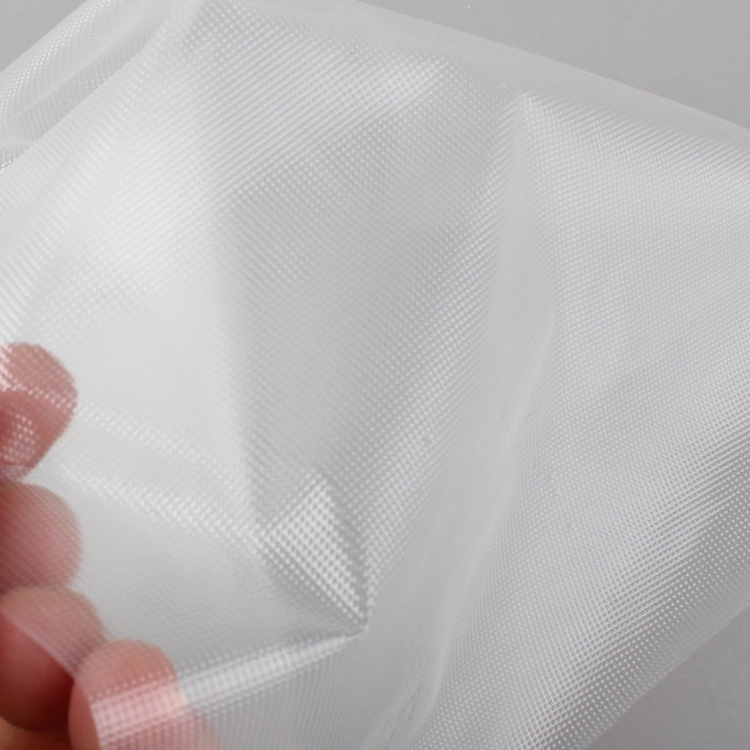
How to choose the softness and hardness of PVA wat...
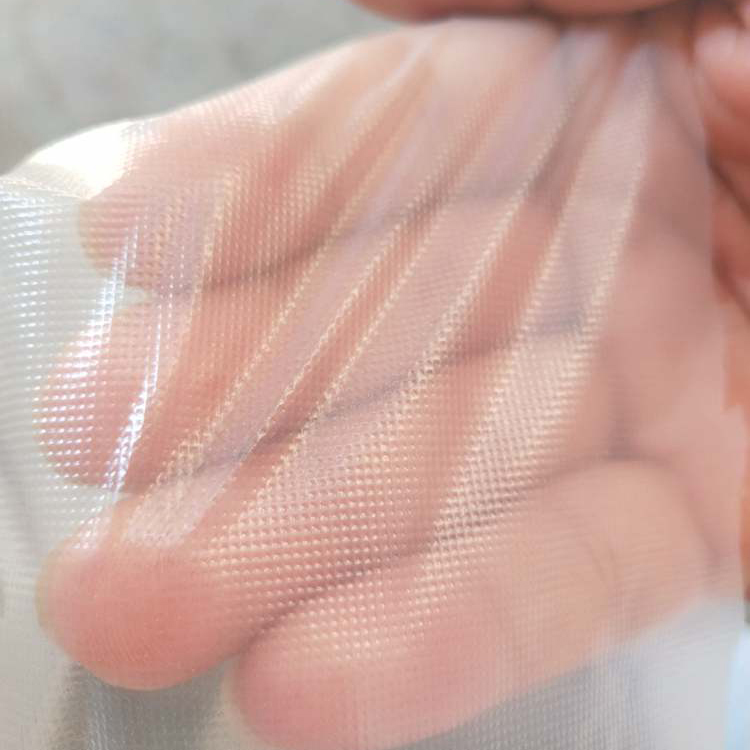
About PVA water-soluble film (including packaging ...
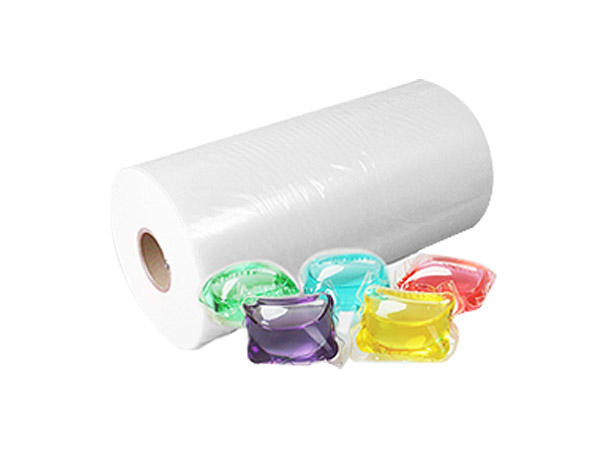
Advantages of environmentally friendly packaging b...
+ 86 - 755 - 8884 0106
f029@fujinfang.com
4B, Building A2, Xiufeng Industrial City, Gankeng Community, Jihua Street, Longgang District, Shenzhen City, Guangdong Province, China